
From Survival to Strength: Inspiring Change for Refugee Women Through Microloans; Where Women Rise, Communities Thrive
Why give a woman a Microloan?
Why support a woman halfway across the world in a Microloan – here’s why
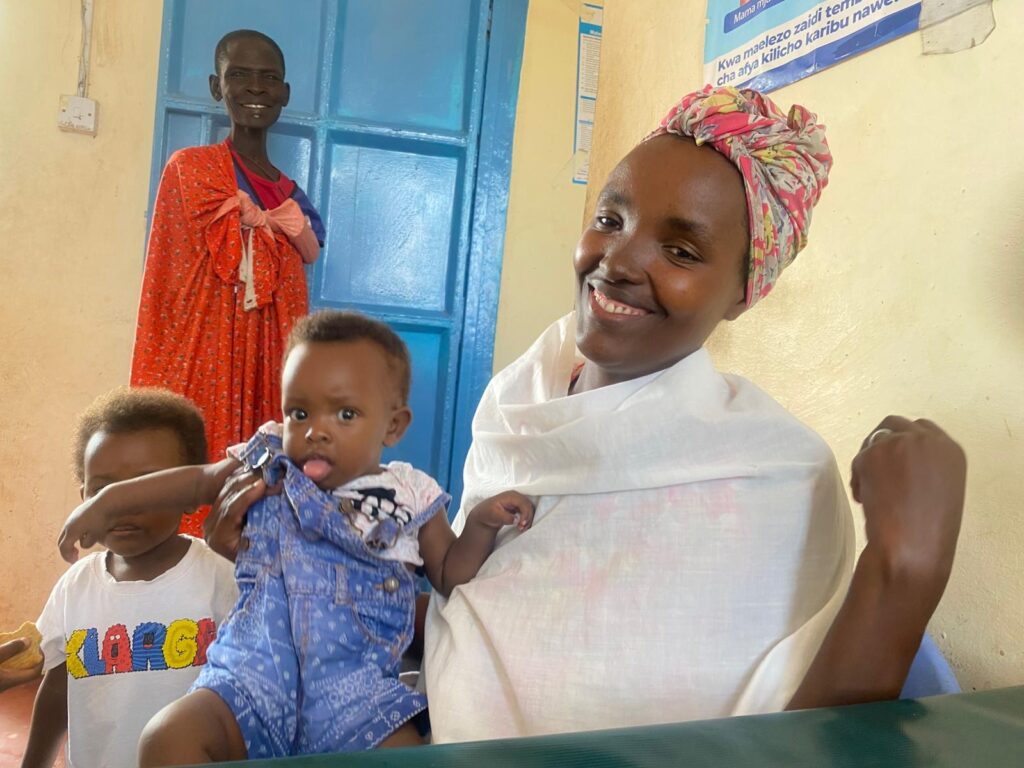
You don’t know her name yet. But you know her. She’s ambitious. Resourceful. Determined. She wants more—not just for herself, but for her family. The difference between you isn’t talent or drive. It’s access…you can change that.
Not as charity—but as one woman standing beside another, closing the gap, and opening a door that would otherwise stay shut.
Microloans for women don’t just fund small businesses—they unlock independence, dignity, and opportunity. A modest loan can mean the difference between surviving and thriving, giving women the power to build income, support their families, and strengthen entire communities. When you invest in a woman, you’re investing in a ripple effect of change that lasts for generations.
Microfinance Model – How it works
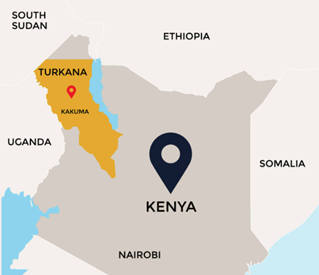
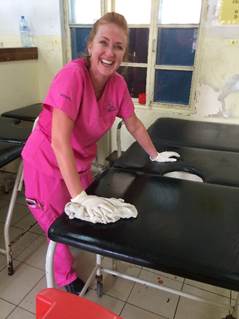
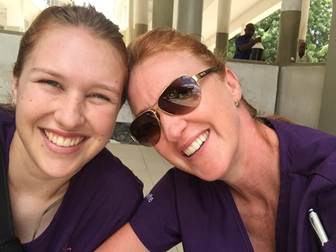
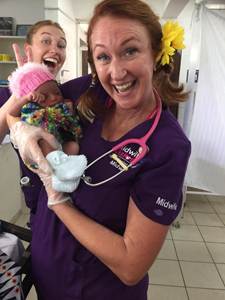
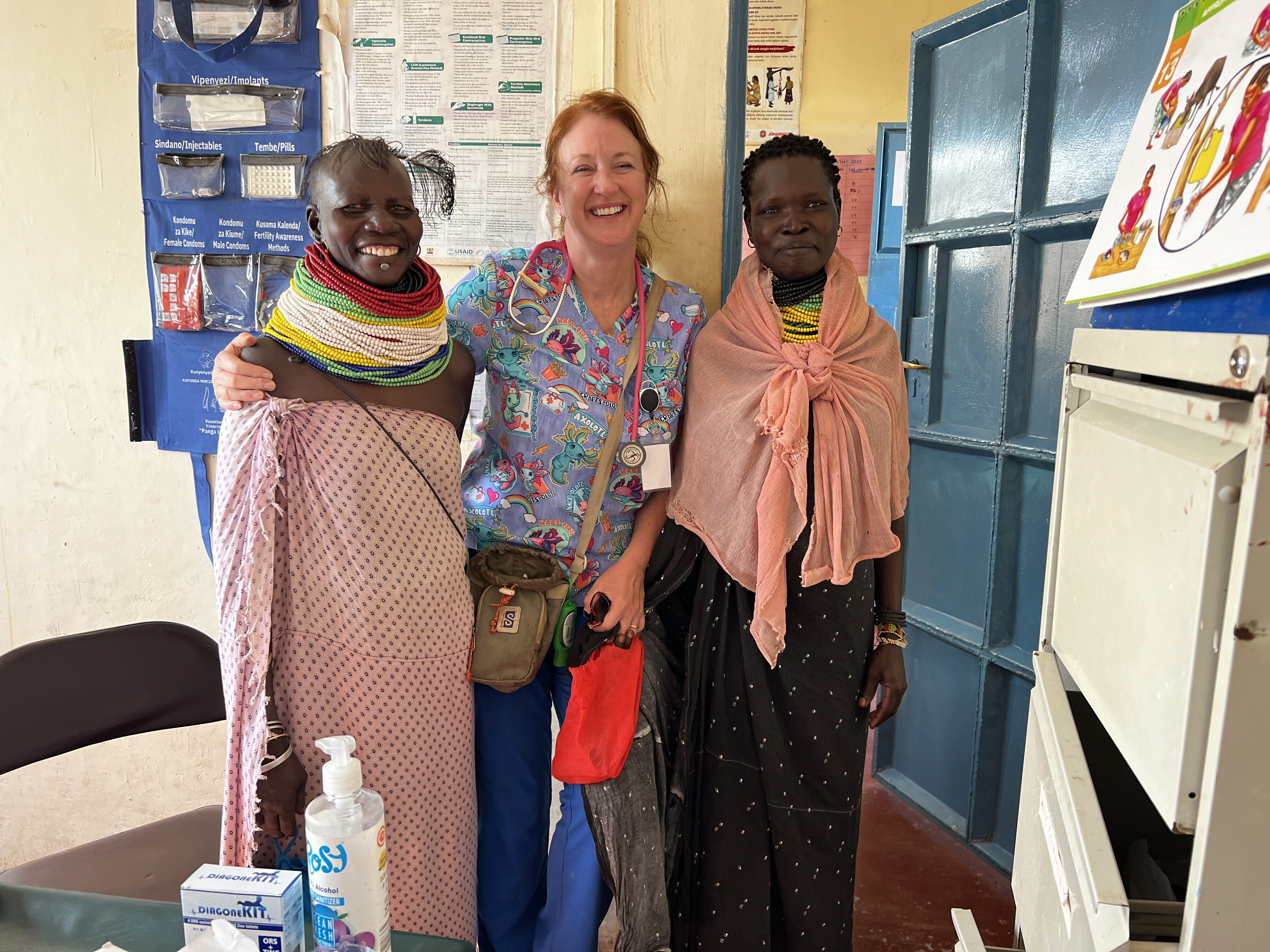
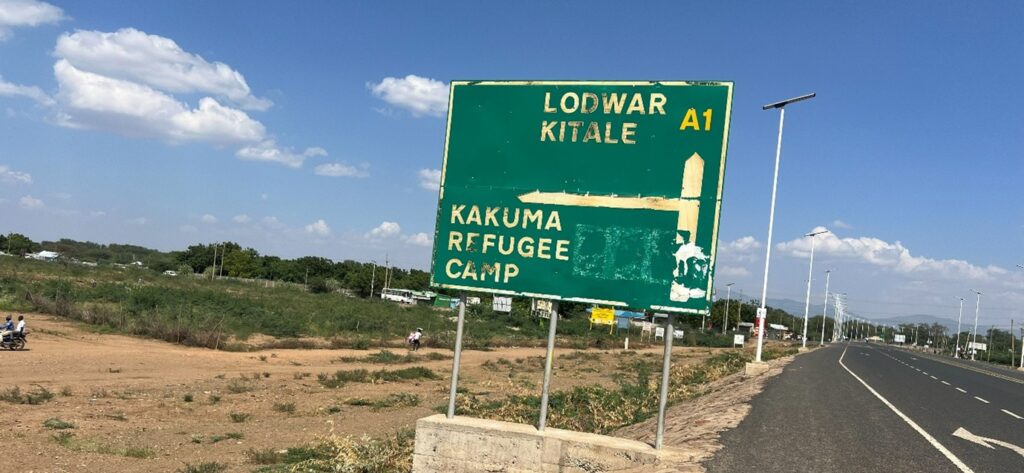
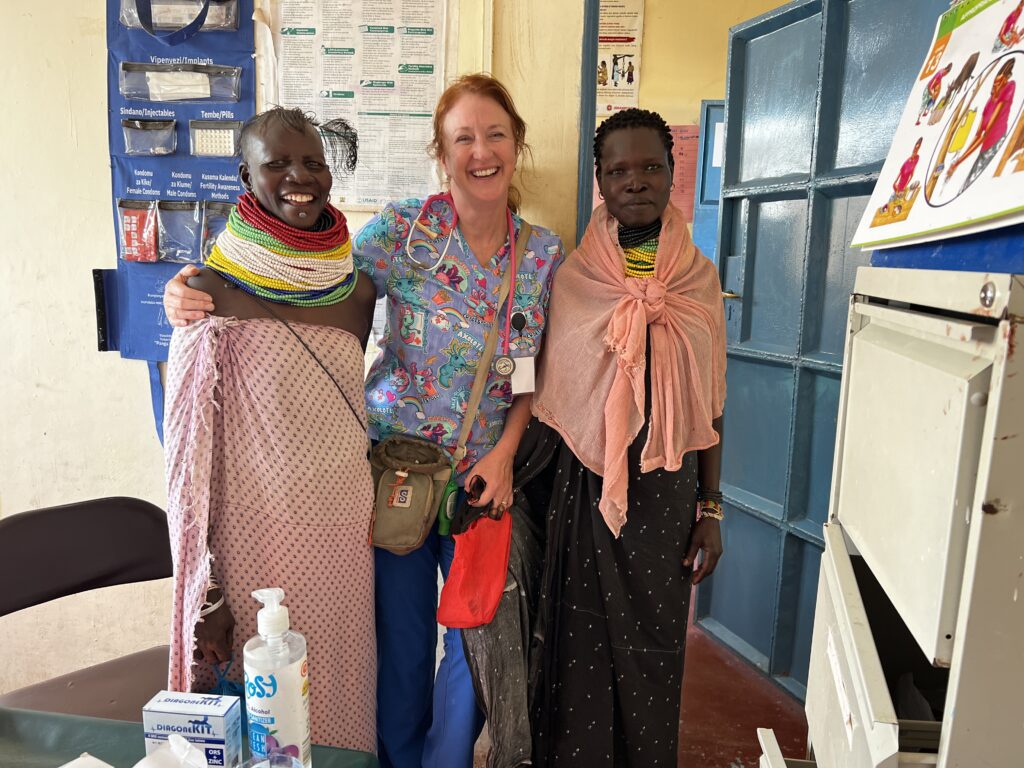
Donors contribute monies to Midwife Vision Global (MVG), allowing all donations to be tax-deductible. Midwife Vision Global, in turn, provides the monies to the iNGO Faulu Productions – we have partnered with an extraordinary refugee-led organisation called Faulu Productions https://fauluproductions1.org/, which operates within the Kakuma Camp, so we have first-hand impact and knowledge of the women and their dreams. When we went and worked as a medical team in Kakuma, we met many of the women seeking Microloans as part of our Health for Women action plan. Faula’s impact is remarkable—they run youth communication programs, sports initiatives, and early childhood education. We facilitated training days for mothers and hosted an entrepreneurial workshop for women. It was energising (and wonderfully chaotic!)—a packed outdoor and in-room full of curiosity, resilience, and those small but powerful sparks of hope
Lyama, a Refugee from the DRC who leads the organisation, is deeply connected to the daily realities faced by refugees and many host community tribes—his insight and commitment are something else. Midwife Vision will channel the microloan program through the Australian charity NGO Midwife Vision Global, which will then work in partnership with the Kakuma NGO Faulu Productions, which already has a strong track record of successfully managing these loans. We have just sponsored a new laptop for more video production.
Criteria for a Microloan
These women have applied for Microloans against certain criteria, including the ability to register a business in Kakuma Camp, Turkana County, and eligibility and commitment to a 4–6-week education/training program.
Training and Education are Mandatory
The education program is mandatory. Training includes topics such as hands-on basic financial literacy, small business management, pricing, saving money, budgeting, and customer care, as well as simple, practical, and learnable skills that will enhance their success. Beyond training is a vital part – mentorship. Our hope is that many women will also record a message once a month on WhatsApp, WeChat, Zoom, Teams, and/or Video and send it across to Lyama to show to the women during their training day, providing encouragement and a sense of belonging and inclusion.
Three sizes Microloans – USD
- Foundation USD $192.41
- Thrive USD$400.08
- Accelerate USD$650.08
Donate Now
When you give today, you’re not just funding a microloan — you’re opening a door to dignity, independence, and lasting change for women in Kakuma Refugee Camp.
Through Midwife Vision Global and our partnership with Faulu Productions, every donation supports refugee-led enterprise, training, and real opportunities for women to build sustainable businesses.
Each woman receives a microloan, essential training in financial literacy and business skills, and ongoing mentorship — turning resilience into income and hope into action.
This is more than aid. It is empowerment in motion.
Donate now — because when you invest in a woman, you’re investing in a ripple effect of change that lasts for generations.