We’re giving the Midwife Vision website a well-deserved refresh. Think of it as a check-up, a little maintenance, and perhaps a new coat of paint—without the long waiting room!
Over the coming weeks, you may notice a few changes as we improve the site, make it easier to navigate, enhance our project pages, and introduce better ways for supporters to contribute to our work.
While the website is being upgraded, our mission remains exactly the same.
At Midwife Vision, we are committed to improving maternal and newborn health by supporting midwives, nurses, doctors, and healthcare teams working in resource-limited settings. Through training, education, mentoring, equipment support, and practical resources, we help strengthen local capacity and improve outcomes for mothers and babies.
Every healthy birth, every skilled healthcare worker trained, and every community supported moves us closer to our vision of safer pregnancies, safer births, and healthier futures for women and newborns.
Thank you for your patience while we work behind the scenes. We promise we’re spending more time improving the website than arguing about font colours (mostly!).
Stay tuned, and thank you for being part of the Midwife Vision journey.
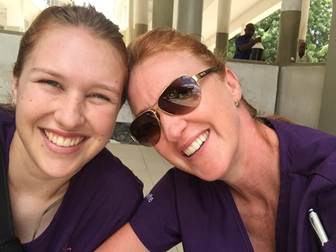
Drs. Jan & Chase | Co-founders
Midwife Vision Global
🌍 Supporting healthcare workers. 🤱 Improving maternal and newborn outcomes. ❤️ Making a difference where it is needed most.
Why support a woman halfway across the world in a Microloan – here’s why
You don’t know her name yet. But you know her. She’s ambitious. Resourceful. Determined. She wants more—not just for herself, but for her family. The difference between you isn’t talent or drive. It’s access…you can change that.
Not as charity—but as one woman standing beside another, closing the gap, and opening a door that would otherwise stay shut.
Microloans for women don’t just fund small businesses—they unlock independence, dignity, and opportunity. A modest loan can mean the difference between surviving and thriving, giving women the power to build income, support their families, and strengthen entire communities. When you invest in a woman, you’re investing in a ripple effect of change that lasts for generations.
Microfinance Model – How it works
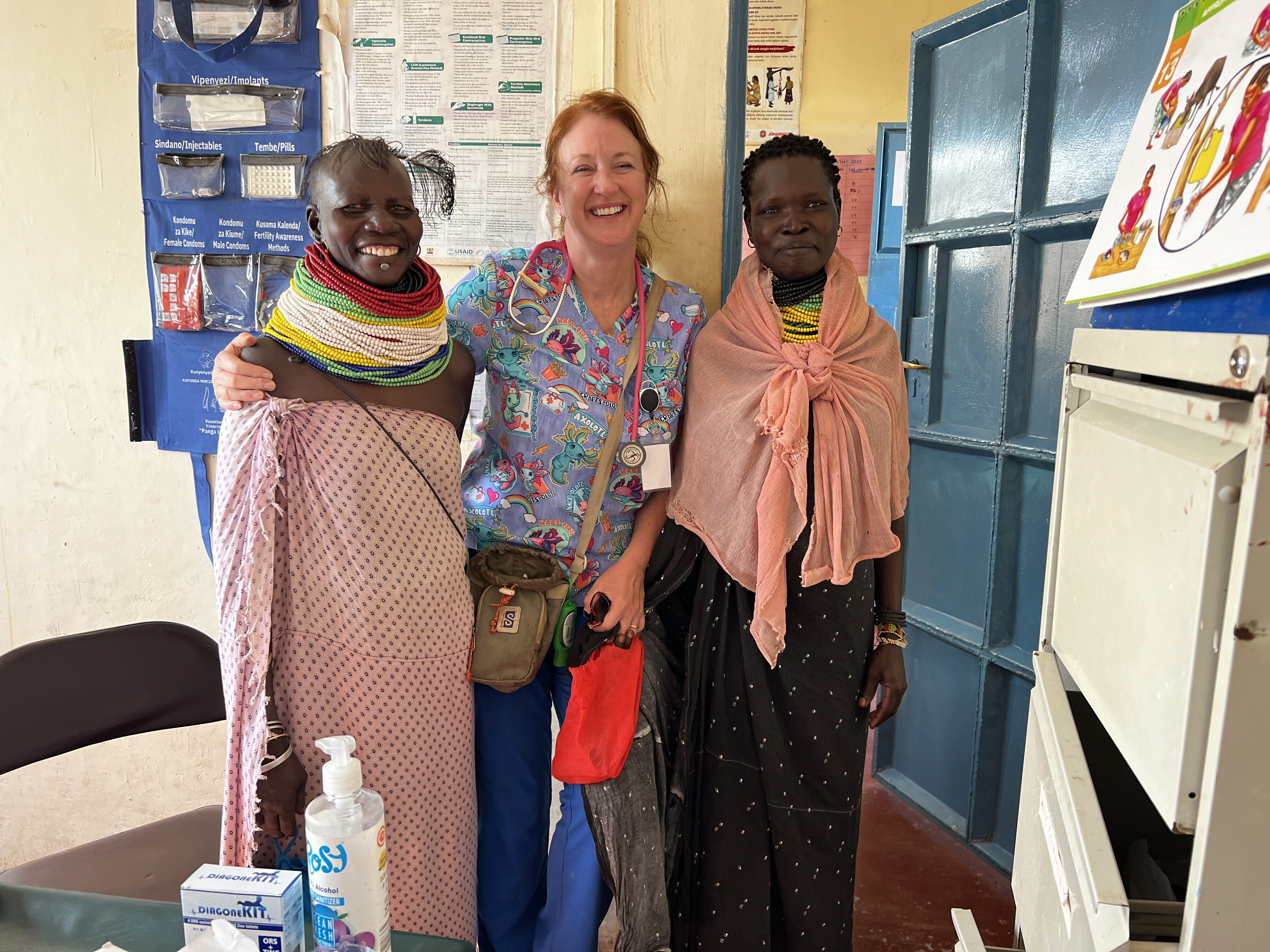
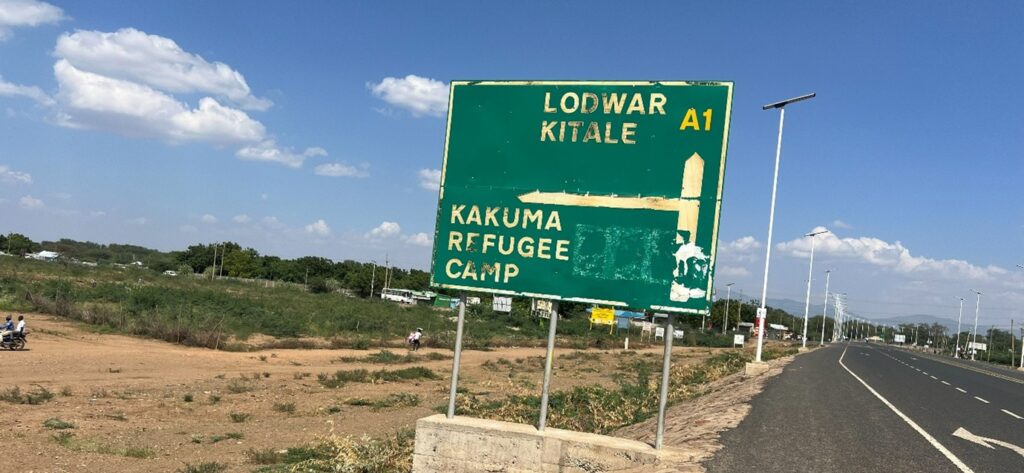
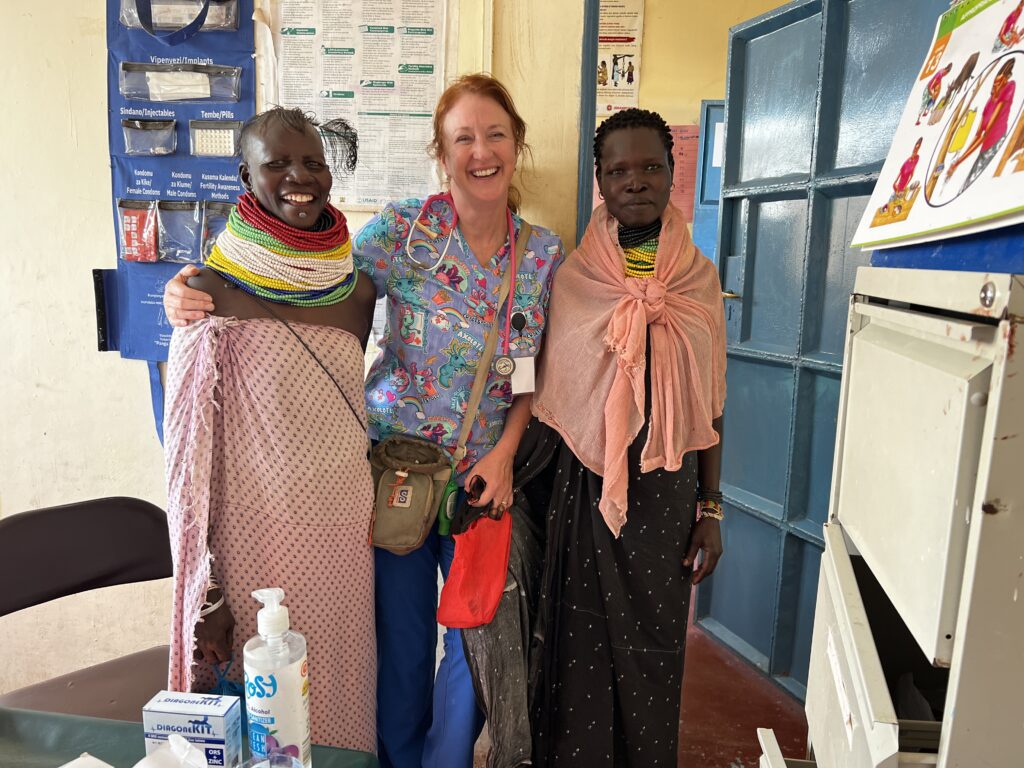
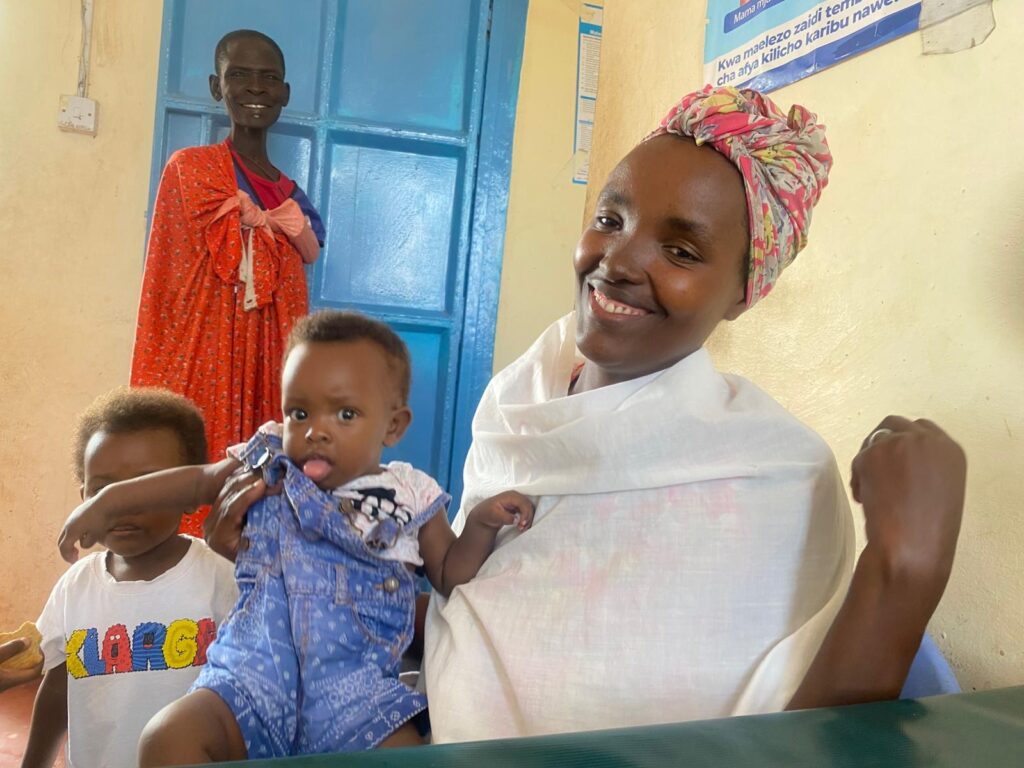
Donors contribute monies to Midwife Vision Global (MVG), allowing all donations to be tax-deductible. Midwife Vision Global, in turn, provides the monies to the iNGO Faulu Productions – we have partnered with an extraordinary refugee-led organisation called Faulu Productions https://fauluproductions1.org/, which operates within the Kakuma Camp, so we have first-hand impact and knowledge of the women and their dreams. When we went and worked as a medical team in Kakuma, we met many of the women seeking Microloans as part of our Health for Women action plan. Faula’s impact is remarkable—they run youth communication programs, sports initiatives, and early childhood education. We facilitated training days for mothers and hosted an entrepreneurial workshop for women. It was energising (and wonderfully chaotic!)—a packed outdoor and in-room full of curiosity, resilience, and those small but powerful sparks of hope
Lyama, a Refugee from the DRC who leads the organisation, is deeply connected to the daily realities faced by refugees and many host community tribes—his insight and commitment are something else. Midwife Vision will channel the microloan program through the Australian charity NGO Midwife Vision Global, which will then work in partnership with the Kakuma NGO Faulu Productions, which already has a strong track record of successfully managing these loans. We have just sponsored a new laptop for more video production.
Criteria for a Microloan
These women have applied for Microloans against certain criteria, including the ability to register a business in Kakuma Camp, Turkana County, and eligibility and commitment to a 4–6-week education/training program.
Training and Education are Mandatory
The education program is mandatory. Training includes topics such as hands-on basic financial literacy, small business management, pricing, saving money, budgeting, and customer care, as well as simple, practical, and learnable skills that will enhance their success. Beyond training is a vital part – mentorship. Our hope is that many women will also record a message once a month on WhatsApp, WeChat, Zoom, Teams, and/or Video and send it across to Lyama to show to the women during their training day, providing encouragement and a sense of belonging and inclusion.
Three sizes Microloans – USD
Foundation USD $192.41
Thrive USD$400.08
Accelerate USD$650.08
Donate Now
When you give today, you’re not just funding a microloan — you’re opening a door to dignity, independence, and lasting change for women in Kakuma Refugee Camp.
Through Midwife Vision Global and our partnership with Faulu Productions, every donation supports refugee-led enterprise, training, and real opportunities for women to build sustainable businesses.
Each woman receives a microloan, essential training in financial literacy and business skills, and ongoing mentorship — turning resilience into income and hope into action.
This is more than aid. It is empowerment in motion.
Donate now — because when you invest in a woman, you’re investing in a ripple effect of change that lasts for generations.
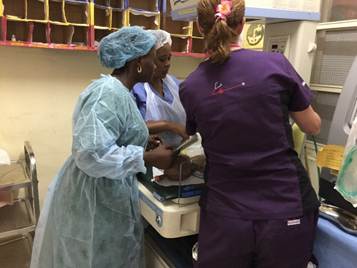
Following 12 years of work in Tanzania, and after transferring the Training Clinic to the Ministry of Health and Midwives at Amana Regional Referral Hospital, we began to identify other areas in need of assistance with Neonatal Resuscitation training and Maternal Obstetric Emergencies Training.
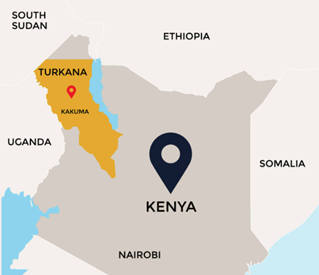
Chase and I will be travelling to Kakuma Refugee Camp, located in the Northwest of Kenya (with Refugees from Sudan, Somalia, Rwanda, the Democratic Republic of the Congo, Ethiopia, Zimbabwe, and the Central African Republic) in October/November to assist in providing care for pregnant and labouring women.
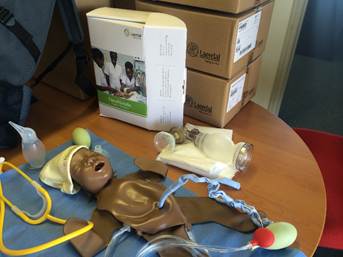
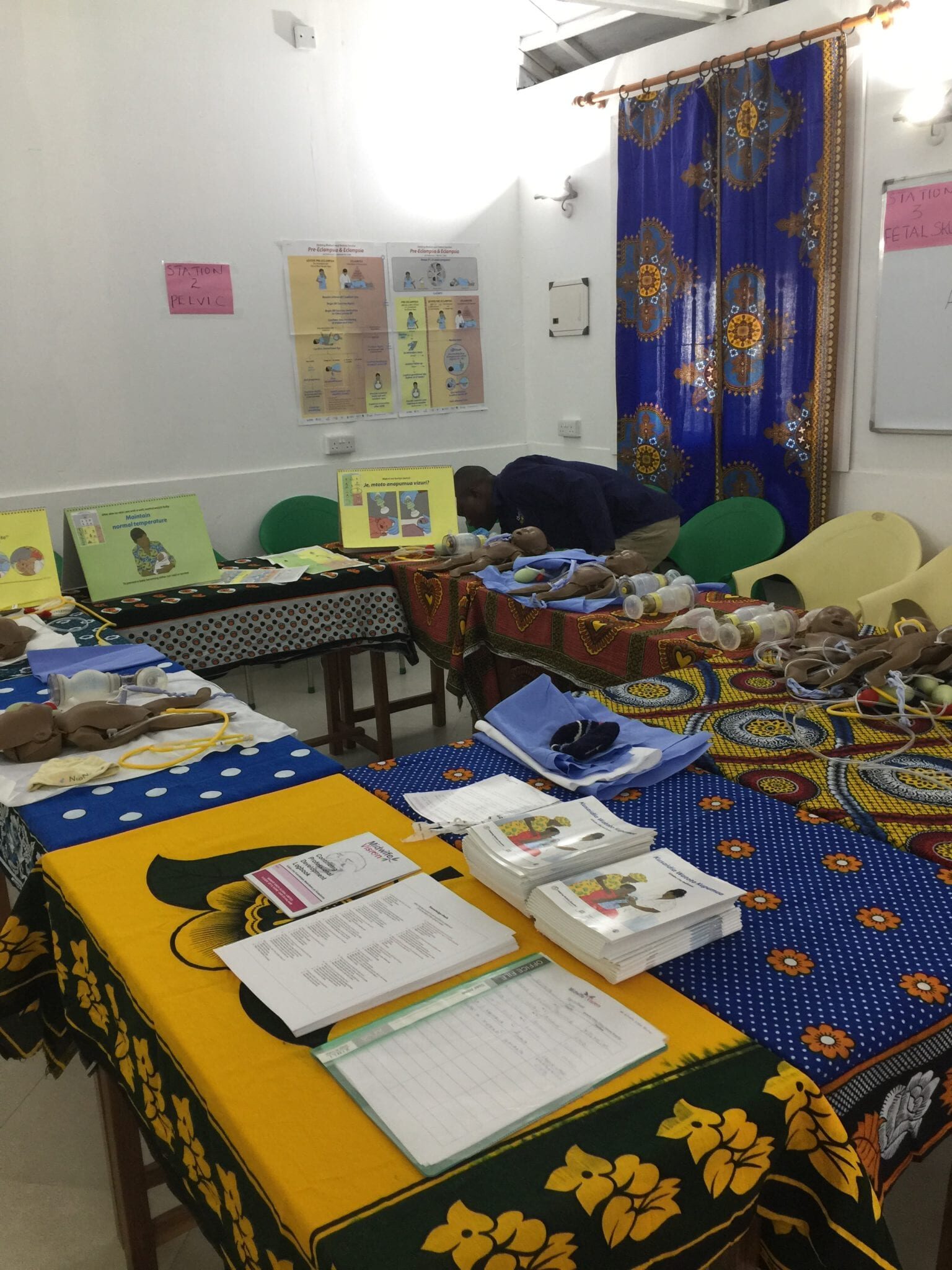
Along the way, we will be teaching obstetric emergencies and neonatal resuscitation using the Champion Air Resuscitation Program, which we developed together. With over 12 years of experience working in a busy labor ward in Tanzania, where we handled 50-100 births per day, we have gained valuable insights into managing high-volume obstetric care in low-resource settings.
Our focus will be on neonatal resuscitation, an essential area for improving survival rates of newborns, especially in cases where respiratory issues or distress arise. The Champion Air Resuscitation Program is designed to be simple, effective, and adaptable to settings with limited resources, which is ideal for Kakuma. By training local healthcare providers, midwives, and community health workers in neonatal resuscitation techniques, we aim to improve the care of newborns in the camp.
Additionally, we will provide training in obstetric emergencies—covering critical situations such as postpartum haemorrhage, eclampsia, and obstructed labour These are areas where there are significant capacity gaps in the camp, and strengthening the skills of health workers in managing these emergencies can save lives.
One of our primary goals is knowledge transfer and capacity building. We don’t just want to provide direct care; we want to empower local healthcare providers with the skills to handle obstetric and neonatal emergencies independently. This kind of sustainable approach is key to improving maternal and newborn health outcomes over the long term.
Our work will have several potential impacts on Kakuma:
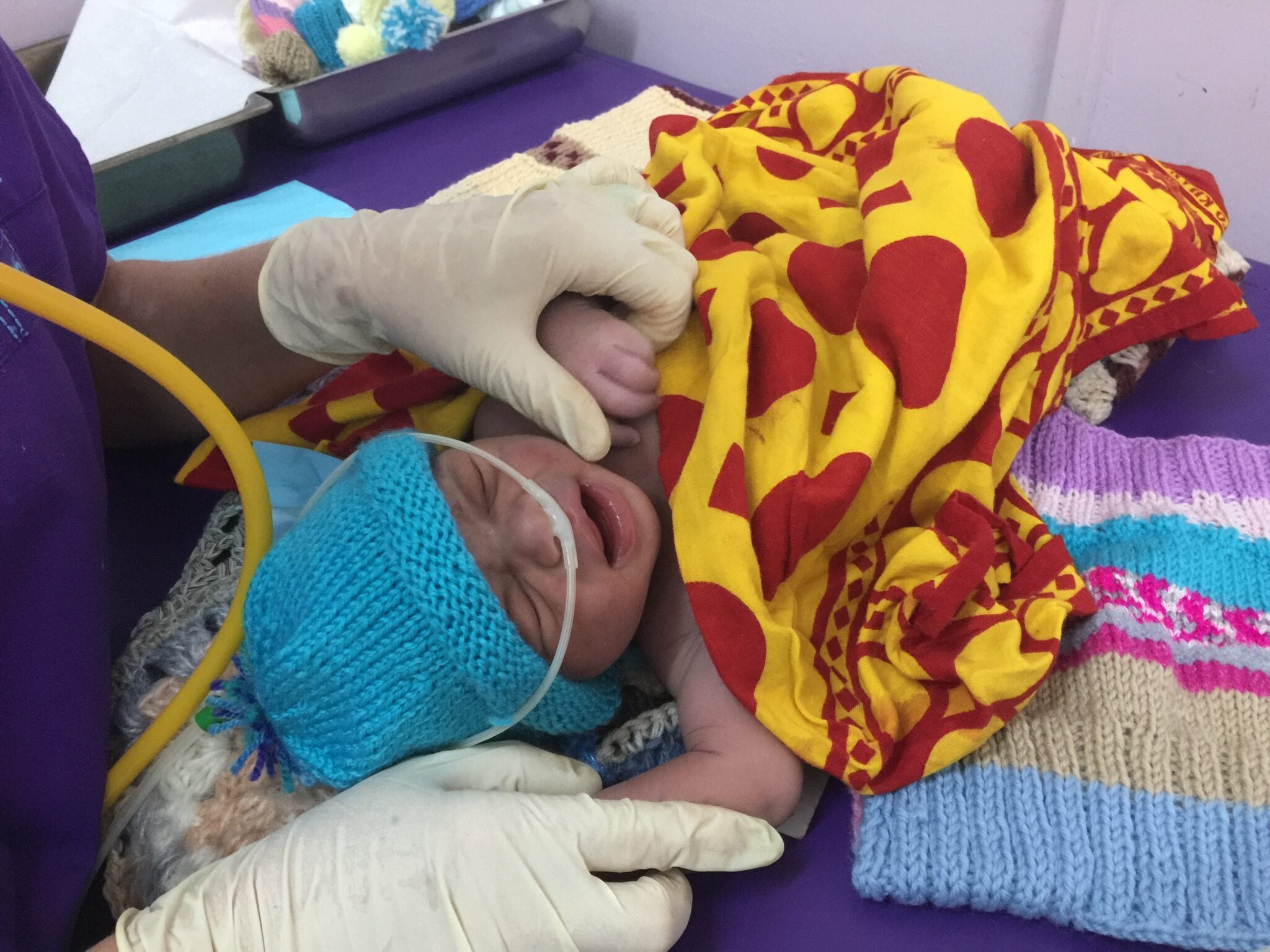
Improved neonatal care by teaching effective resuscitation techniques, which can dramatically reduce neonatal mortality, especially in situations where births take place outside of health facilities.
Stronger emergency care capabilities by enhancing the skills of healthcare workers to manage critical obstetric emergencies.
Training community health workers and traditional birth attendants (TBAs) will help bridge the gap between home births and facility-based care. This is essential in a camp where a significant number of women still deliver at home.
Our background working in Tanzania’s labour wards means we bring a high level of cultural sensitivity
In Summary:
To maximize the impact of our work, we hope to find and empower many midwife and health care workers- by finding Champion leaders –local midwives and health workers actively involved in the training, so they can feel more confident and empowered to implement what they’ve learned and pass on the training to others
Chase and I are excited about this opportunity to share our knowledge and experience and make a positive impact on maternal and neonatal health in Kakuma Refugee Camp.
The SHINE program represents a focus not just on survival – but meaningful survival – along with joy, skilled interventions, with a nurturing caring attitude towards the mother’s, babies and each other as colleagues, with the cornerstone being education.
The key to change is education – measured and focused with all the other elements that create a caring wholistic approach.
Why?
To prevent Mothers and babies dying from the top 5 leading morbid conditions of labour and delivery.
The focus is on training Midwives with skills in prevention and skilled timely action in these emergencies in order to save mothers and babies.
Blood pressure cuffs to tackle hypertensive disorders in pregnancy
Why do women die?
Women die as a result of complications during and following pregnancy and childbirth. Most of these complications develop during pregnancy and most are preventable or treatable.
Mothers
Post-Partum Hemorrhage – PPH
Pre-eclampsia/Eclampsia (Hypertensive Disorders)
Placental Abruption (usually caused from pre-eclampsia – Eclampisa)
Sepsis (Infections) Including unsafe abortion
Prolonged and Obstructed Labour
Newborns
Champion Resuscitation Program
This program will be training Nurse midwives, at the Midwife Vision Training Clinic located inside the campus of Amana Regional Referral Hospital. The aim then is to extend to the peripheral clinics that carry out Antenatal care and deliver women in the community. They refer to the hospital and often have delays, difficulty in transfer that delays care leading to poor maternal and neonatal outcomes.
Providing essential equipment for the SHINE program
With a final goal training push elsewhere in regional areas in Tanzania and Sub-Saharan Africa.
Midwifes are the key. They conduct the majority of deliveries in Tanzania. They are at the front line of emergency care every day.
This allows Midwives at Amana Regional Referral Hospital to “SHINE” as the leaders in Dar es Salaam, Tanzania and Sub-Saharan Africa. Providing gold-standard training and education in maternal and child health; but also allows the Mothers and Babies to “shine” through survival of health and happiness.
This is a great article providing insight into health care in Tanzania, and the challenges facing the midwives at Amana hospital. It dates back to 2016, when Jan and Chase had just started their journey with Midwifevision.
Do you have knitted goods you were hoping to donate to us?
As you know, we are no longer able to accept the beautiful knitted goods we have been receiving on behalf of the mothers and babies in Tanzania.
This is so unfortunate, as they are truly appreciated, and we will greatly miss seeing the wonderful creations you have all made with such love and care.
As we don’t want to see any item go to waste, we are pleased to advise that any donations we were unable to send to Tanzania, will be sent to the wonderful team at Knit4Charities. This is a great association of dedicated knitters, crocheters, sewers and other crafters, who give warm clothing and comforting items such as blankets and toys to needy people throughout our Country. So if you already have knitted goods you were hoping to donate, or wish to continue knitting for a good cause, then we recommend joining the team at Knit4Charities and carrying on the torch!
Thanks again for your generosity and please stay safe.